

The gaming industry is evolving faster than ever, and 2026 promises to bring exciting trends that will shape the way people play, connect, and experience interactive entertainment. From technological advancements to changing player expectations, the gaming landscape is continuously transforming. Understanding these emerging trends is essential for developers, players, and investors who want to stay ahead in a rapidly growing global market. As gaming becomes increasingly integrated into daily life, these trends highlight not only the future of gameplay but also the broader cultural and social impact of gaming worldwide.
One of the most significant trends in 2026 is the continued rise of cloud gaming. Services such as NVIDIA GeForce Now, Xbox Cloud Gaming, and PlayStation Now are expanding their reach, allowing players to access high-quality games on multiple devices without the need for expensive hardware. Cloud gaming eliminates barriers related to storage, processing power, and system compatibility, enabling more people to participate in modern gaming. With improvements in 5G networks and edge computing, latency issues are decreasing, making real-time gameplay smoother and more accessible. This trend is likely to expand gaming audiences globally, especially in regions where traditional consoles and PCs are cost-prohibitive.
Virtual reality (VR) and augmented reality (AR) gaming are also expected to gain momentum in 2026. Immersive technologies continue to evolve, with lighter headsets, higher resolution displays, and more sophisticated motion tracking creating deeply engaging experiences. VR and AR allow players to interact with digital worlds in ways that were previously impossible, from exploring realistic landscapes to participating in fully interactive simulations. Games like Half-Life: Alyx have already demonstrated the potential for VR to redefine gameplay, and the growing popularity of AR games shows that mixed-reality experiences are becoming more mainstream. These technologies are likely to expand both casual and competitive gaming, offering new ways to entertain, educate, and socialize.
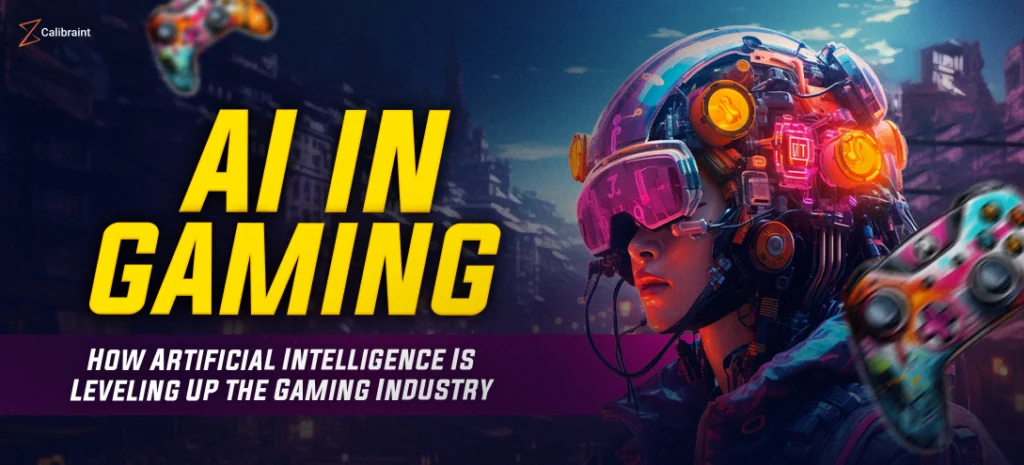
Another notable trend is the growing influence of artificial intelligence (AI) in game development and player experience. AI is being used to enhance non-player character (NPC) behavior, generate procedural content, and personalize gameplay to match individual preferences. Developers can now create dynamic, adaptive worlds that respond intelligently to player actions, improving immersion and replayability. AI also plays a role in balancing competitive games, detecting cheating, and analyzing player behavior for better matchmaking. As AI continues to evolve, it will empower developers to produce more complex and engaging experiences, while players enjoy more responsive, intelligent, and challenging gameplay.
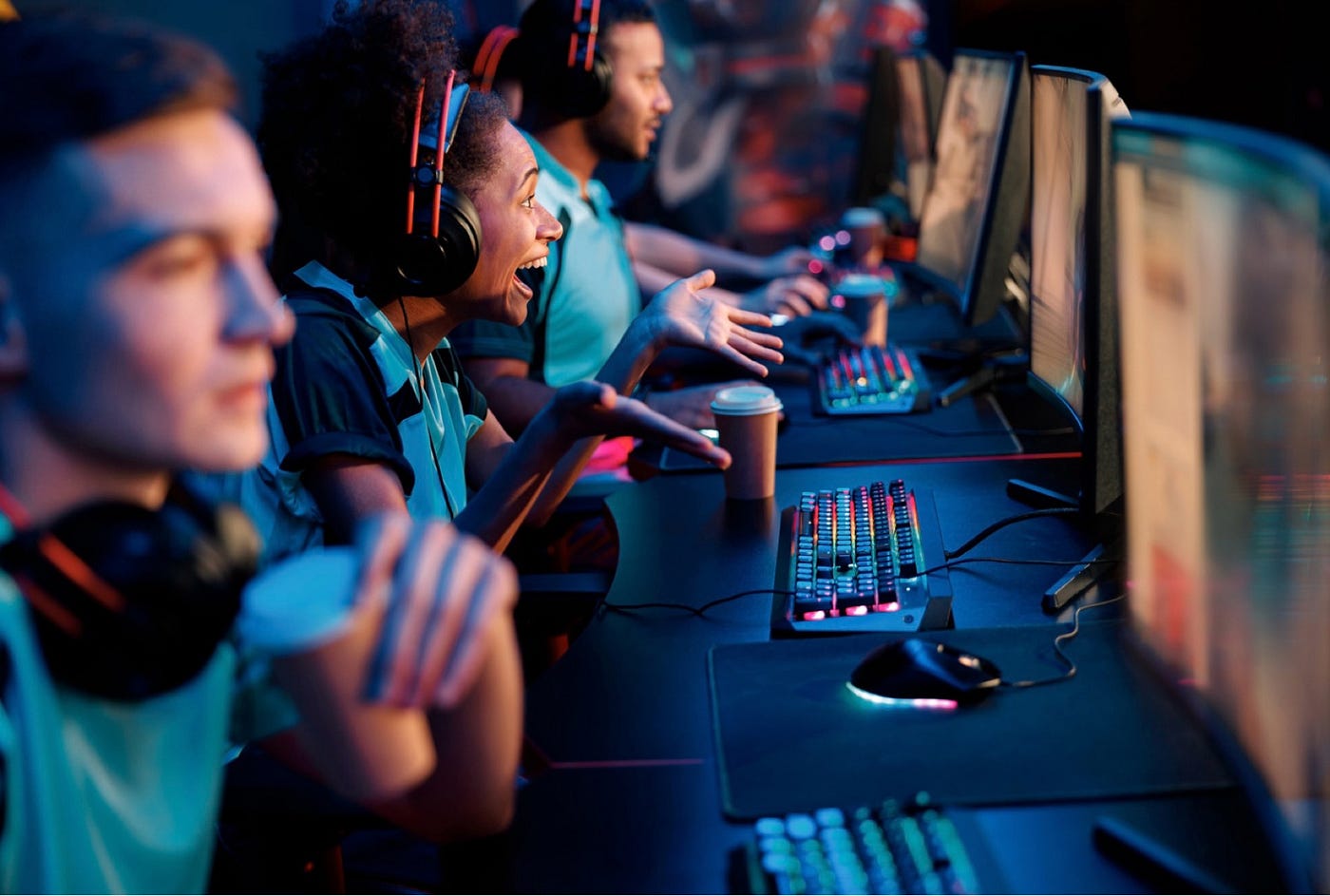
Esports and competitive gaming are expected to reach new heights in 2026. The popularity of professional gaming tournaments continues to grow, with larger prize pools, sponsorship deals, and mainstream media coverage. Games such as League of Legends, Valorant, and Dota 2 attract millions of viewers online, and collegiate esports programs are gaining recognition as legitimate career pathways. The competitive ecosystem is expanding beyond traditional titles, with mobile esports gaining traction and new game genres entering professional circuits. As a result, esports is no longer a niche activity—it has become a global cultural phenomenon influencing marketing, media, and social interaction.
Mobile gaming will continue its dominant growth trajectory, fueled by technological improvements, innovative game design, and the convenience of portable devices. Smartphones are increasingly capable of delivering high-quality graphics, responsive controls, and immersive gameplay experiences. Popular mobile games are experimenting with subscription models, in-app purchases, and social integration to keep players engaged. The line between mobile and console gaming is also blurring, with cross-platform play enabling players to compete or cooperate regardless of the device they use. This trend emphasizes the accessibility and inclusivity of modern gaming, ensuring that players of all skill levels can participate.
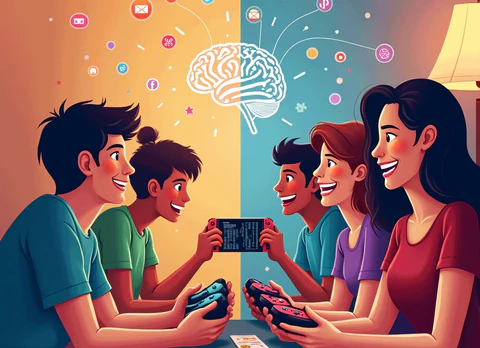
Social interaction within games is another trend shaping 2026. Multiplayer online games, live events, and shared virtual spaces are increasingly important for community building. Platforms like Fortnite and Minecraft allow players not only to play but also to socialize, create content, and attend virtual events. Social gaming fosters engagement, loyalty, and collaboration, creating communities that extend beyond the game itself. Developers are recognizing the importance of designing games that prioritize player interaction, safety, and inclusion, resulting in richer and more meaningful experiences.
Sustainability and ethical gaming practices are becoming more prominent in industry discussions. Players are increasingly conscious of the environmental impact of gaming hardware, energy consumption, and digital distribution. Developers are exploring ways to reduce carbon footprints, optimize energy efficiency, and implement ethical monetization strategies. Similarly, inclusivity, accessibility, and mental health awareness are becoming key considerations in game design. These trends reflect a growing recognition that gaming is not just entertainment—it is a social and cultural activity with broader responsibilities.
Looking forward, 2026 promises to be a year of innovation, growth, and transformation in gaming. Cloud and mobile gaming will make high-quality experiences more accessible, VR and AR will redefine immersion, AI will create intelligent and adaptive worlds, and esports will continue to reach new audiences. Social interaction, ethical practices, and inclusivity will shape how games are developed and experienced, reflecting the evolving expectations of players worldwide. These trends indicate that gaming will continue to expand its influence on culture, technology, and entertainment, offering new opportunities for creativity, connection, and competition.
In conclusion, the top gaming trends of 2026 highlight a future that is technologically advanced, socially connected, and highly immersive. From cloud gaming and AI-driven experiences to VR, mobile growth, and competitive esports, the industry is poised to offer diverse and dynamic opportunities for players and developers alike. By embracing these trends, the gaming community can expect a richer, more inclusive, and engaging experience that pushes the boundaries of interactive entertainment. The year 2026 is shaping up to be a pivotal moment in gaming history, where innovation and creativity meet accessibility, connection, and global reach.





Leave a Reply