

Gaming has become one of the most influential forms of entertainment in the modern world. Over the past few decades, it has grown from a simple hobby enjoyed by a small group of enthusiasts into a global industry that generates billions of dollars each year. Today, people of all ages play video games on consoles, computers, and mobile phones. Gaming is no longer limited to children or teenagers; adults, professionals, and even seniors participate in digital gaming experiences. The rapid development of technology has transformed gaming into a powerful cultural, social, and economic force.
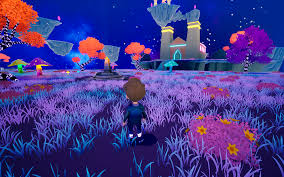
The history of gaming shows how far the industry has come. In the early days, arcade machines introduced simple yet exciting games that featured basic graphics and limited gameplay. Despite their simplicity, these early games captured the imagination of millions and laid the foundation for future innovation. As technology advanced, home consoles and personal computers brought gaming into households around the world. The introduction of 3D graphics, realistic sound effects, and immersive storytelling changed the gaming experience forever. Modern consoles and high-performance gaming PCs now offer ultra-realistic visuals, smooth gameplay, and online connectivity that allows players to compete with others globally.
One of the most significant developments in gaming is the rise of online multiplayer experiences. Players are no longer restricted to playing alone or with people in the same room. Online games allow individuals to connect with friends and strangers from different countries, creating global communities. These platforms encourage communication, cooperation, and competition. Many friendships have formed through online gaming, and teamwork has become an essential part of popular titles. Players often develop leadership skills, strategic thinking, and effective communication while working together to achieve shared goals.
Gaming also offers several cognitive and educational benefits. Many games require players to solve complex problems, make quick decisions, and think critically. Strategy-based games encourage planning and resource management, while puzzle games improve memory and logical reasoning. Action games can enhance hand-eye coordination and reaction time. In addition, educational games are increasingly being used in schools to make learning more engaging and interactive. By combining entertainment with knowledge, gaming can support academic growth and personal development when used responsibly.
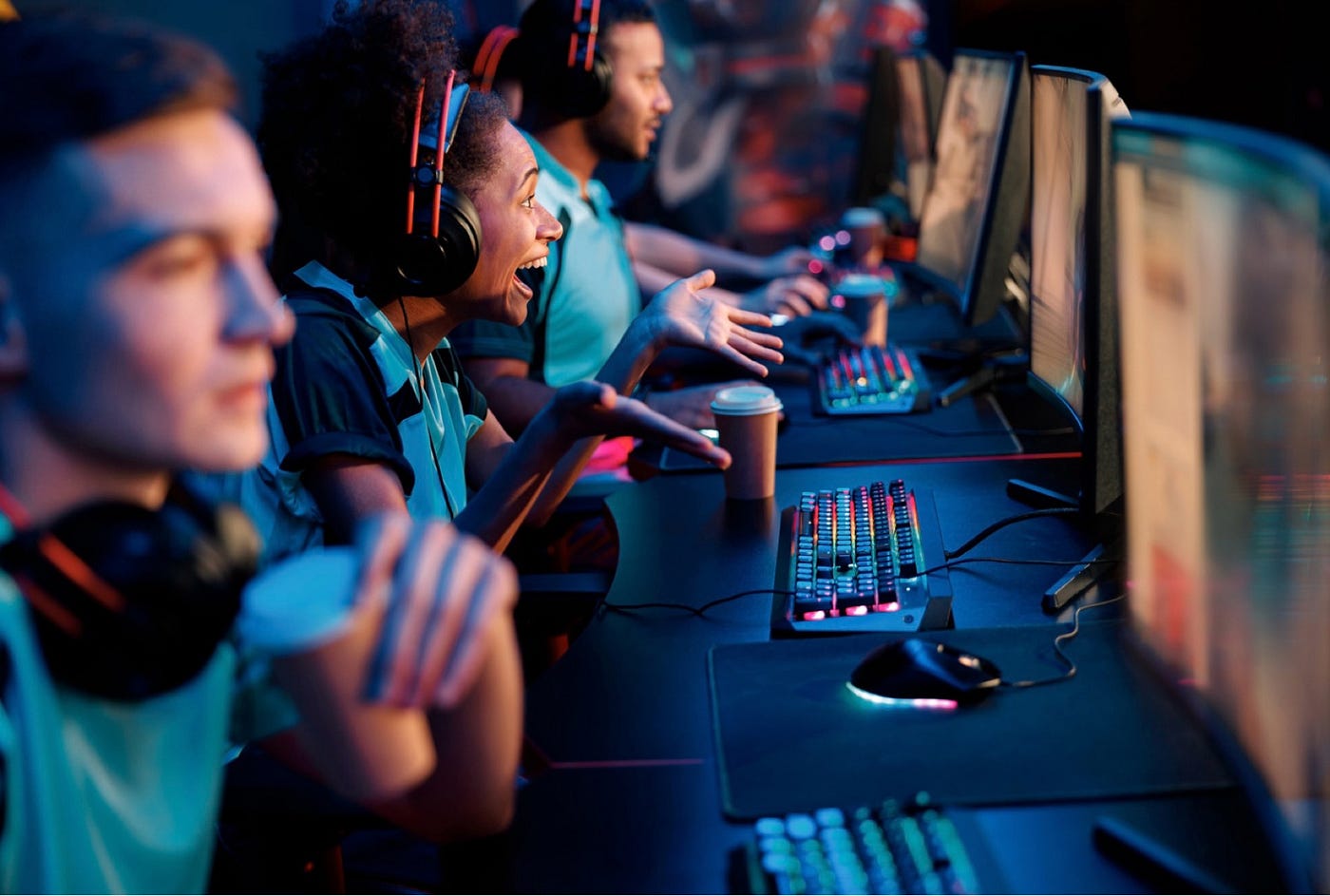
The rise of competitive gaming, known as esports, has further changed public perception of the industry. Professional gaming tournaments now attract millions of viewers both online and in large arenas. Skilled players train for hours each day to improve their performance, similar to traditional athletes. Prize pools in major competitions can reach impressive amounts, and top players gain sponsorships and global recognition. Streaming platforms have also allowed gamers to share their experiences with audiences worldwide, creating new career opportunities in content creation and digital entertainment.
Despite its many advantages, gaming also presents certain challenges. One of the main concerns is excessive gaming, which can negatively impact physical health, academic performance, and social relationships. Spending long hours in front of a screen may lead to eye strain, fatigue, and reduced physical activity. It is important for individuals to maintain a healthy balance between gaming and other responsibilities. Time management and self-discipline are key to ensuring that gaming remains a positive activity rather than a harmful habit.
Online safety is another important issue in the gaming world. While online communities can be supportive and enjoyable, they may also expose players to cyberbullying, inappropriate content, or scams. Protecting personal information and using privacy settings are essential steps for a secure gaming experience. Game developers and platforms continue to introduce safety measures to create healthier online environments for users.
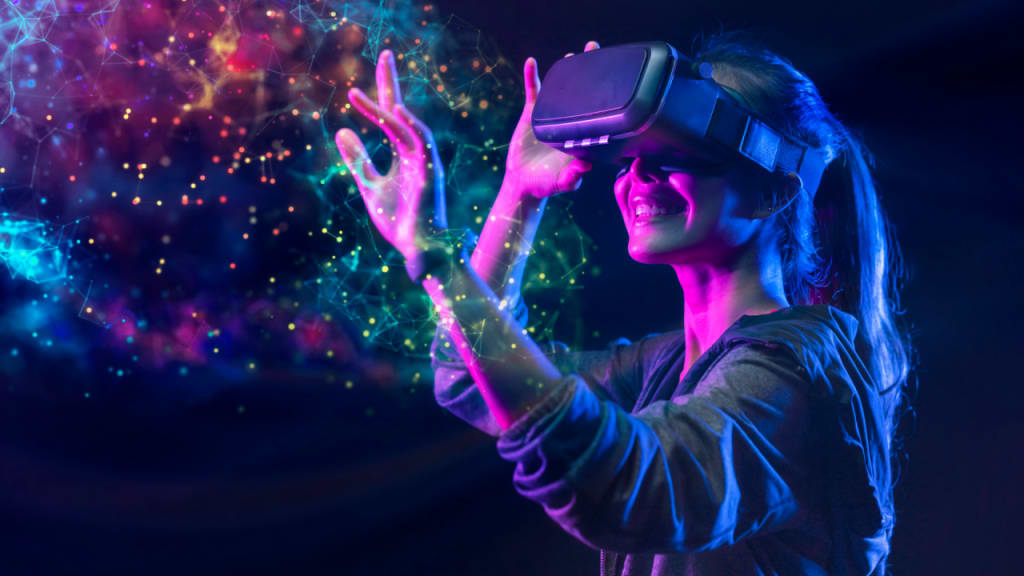
Looking ahead, the future of gaming appears bright and full of innovation. Technologies such as virtual reality, augmented reality, and artificial intelligence are making games more immersive and realistic. Cloud gaming services are expanding access by allowing players to stream games without expensive hardware. As technology continues to evolve, gaming will likely become even more interactive, accessible, and influential.
In conclusion, gaming has developed into a powerful global phenomenon that shapes entertainment, education, and social interaction. It provides enjoyment, enhances skills, and creates professional opportunities for millions of people worldwide. While challenges exist, responsible gaming practices can help individuals enjoy its benefits without negative consequences. As the industry continues to grow and innovate, gaming will remain an important and dynamic part of modern society.


Leave a Reply