
In recent years, indie games have emerged as a powerful force in the gaming industry, challenging the dominance of big-budget AAA titles and reshaping how players and developers approach gaming. Indie games, typically created by small teams or even solo developers, often emphasize creativity, unique storytelling, and innovative gameplay mechanics rather than high-end graphics or mainstream appeal. This approach has resonated with players worldwide, demonstrating that compelling experiences do not always require massive budgets or extensive resources. As a result, indie games are influencing trends, inspiring creativity, and diversifying the gaming landscape in ways that were previously unimaginable.
One of the key strengths of indie games lies in their freedom of creativity. Without the pressure of meeting corporate expectations or appealing to mass audiences, indie developers can experiment with unconventional gameplay mechanics, art styles, and narratives. Games like Hollow Knight, Celeste, and Undertale have gained widespread acclaim for their originality, deep storytelling, and artistic vision. These titles prove that innovation and emotional engagement often matter more to players than cutting-edge graphics or large marketing campaigns. Indie games allow developers to take risks, explore niche ideas, and challenge traditional conventions, ultimately enriching the gaming ecosystem with diverse experiences that might not exist in mainstream gaming.
Indie games also play a crucial role in democratizing the gaming industry. Advances in digital distribution platforms such as Steam, Epic Games Store, itch.io, and console marketplaces have made it easier for small developers to reach global audiences. Unlike in the past, when publishing a game often required significant investment and publisher support, indie developers now have the tools to create, market, and sell games independently. Crowdfunding platforms like Kickstarter and Patreon further empower developers to finance projects directly through fan support, creating a closer connection between creators and players. This accessibility has opened the door for more diverse voices in game development, including underrepresented groups who might not have had opportunities in larger studios.
Another way indie games are shaping the gaming landscape is by influencing trends within the industry. Many gameplay mechanics and artistic styles pioneered by indie games have been adopted by larger studios, blurring the line between indie and mainstream. For instance, the pixel art aesthetic, roguelike mechanics, and narrative-driven designs popularized by indie titles have influenced AAA games and inspired collaborations between indie and major studios. By pushing the boundaries of creativity, indie games challenge the industry to innovate, resulting in a richer and more varied gaming environment for players.
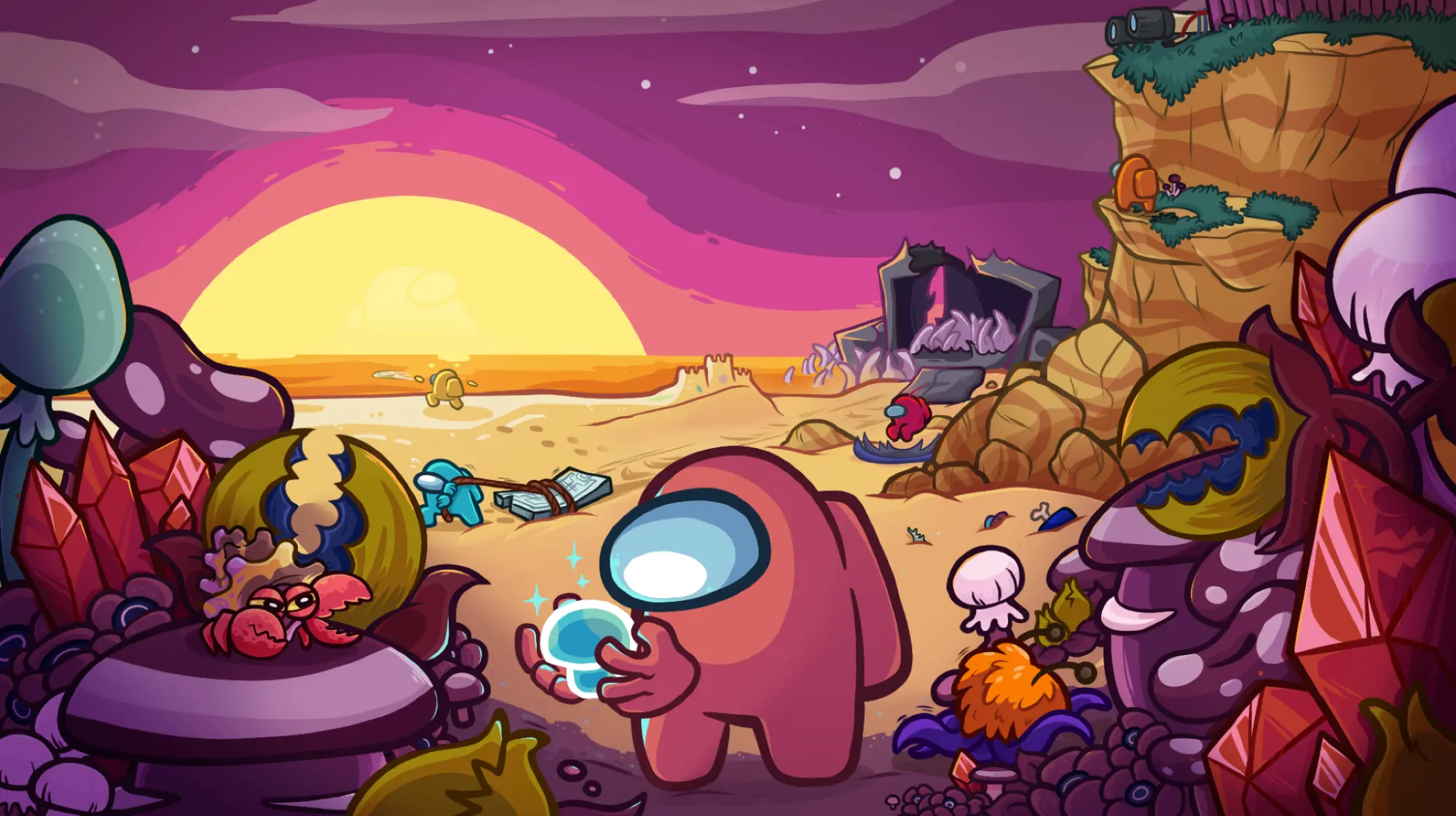
Indie games also foster strong communities and player engagement. Due to their smaller scale and personal nature, indie developers often interact directly with their audiences, listening to feedback, implementing updates, and cultivating passionate fanbases. Games such as Stardew Valley and Among Us became cultural phenomena in part due to community involvement and word-of-mouth promotion. The close relationship between developers and players encourages a sense of shared ownership and investment, creating communities that actively contribute to the game’s growth and longevity. This level of engagement is often less common in large-scale AAA games, where the developer-player relationship can feel more distant.
The financial impact of indie games should not be underestimated. Despite smaller budgets, many indie titles have achieved commercial success, proving that quality and creativity can rival marketing power. The rise of indie game sales has also encouraged investment in small studios, with publishers and investors recognizing the potential for innovation-driven success. Moreover, indie games often generate lasting revenue through updates, expansions, and sequels, ensuring sustainability for small teams and allowing them to continue producing unique experiences.
While indie games face challenges such as limited resources, marketing constraints, and competition in an oversaturated market, their resilience and creativity continue to propel the industry forward. Small teams often overcome these obstacles through ingenuity, collaboration, and community support, demonstrating that determination and vision can rival financial and technological advantages. The success of indie games also inspires new developers to enter the industry, ensuring a continuous flow of fresh ideas and talent.
Looking to the future, indie games are likely to remain a vital and influential part of the gaming ecosystem. Emerging technologies such as virtual reality, augmented reality, and cloud gaming present new opportunities for indie developers to experiment with innovative gameplay and storytelling methods. As distribution platforms continue to evolve, indie games will maintain accessibility to global audiences while fostering creativity, diversity, and player engagement. By challenging norms and encouraging risk-taking, indie developers are shaping the direction of gaming, pushing the industry toward more varied, thoughtful, and imaginative experiences.
In conclusion, indie games have redefined what it means to create and play games. Through innovation, artistic vision, and community engagement, they have challenged traditional industry models and expanded the possibilities of interactive entertainment. From inspiring new trends to fostering diverse voices and offering unique experiences, indie games have become a driving force in modern gaming. As technology, platforms, and audiences evolve, indie games will continue to shape the gaming landscape, proving that creativity, passion, and originality are as important as any budget or blockbuster title.









Leave a Reply