
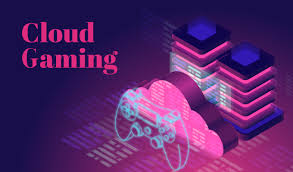
Cloud gaming has emerged as one of the most transformative trends in the gaming industry, redefining how people access and experience video games. Unlike traditional gaming, which relies on physical hardware such as consoles or high-end PCs, cloud gaming allows players to stream games directly from remote servers to a wide range of devices, including smartphones, tablets, laptops, and smart TVs. This technology removes the barriers of expensive hardware and complicated installations, making high-quality gaming accessible to a larger audience. As the industry continues to evolve, cloud gaming promises to reshape the way players interact with games, developers design content, and the gaming ecosystem operates as a whole.
At its core, cloud gaming relies on powerful remote servers to process and render games. Instead of a console or PC handling the computation, the server executes the game and streams the video output to the player in real time. Inputs from the player’s device, such as controller commands or keyboard presses, are transmitted back to the server, enabling seamless interaction. This approach allows gamers to play graphically demanding games on devices that would otherwise be incapable of running them, eliminating the need for expensive upgrades or specialized hardware. Players can enjoy the latest AAA titles with smooth performance, high-resolution graphics, and low latency, all without owning a dedicated gaming system.
One of the most significant advantages of cloud gaming is convenience. Players can access their favorite games instantly, without waiting for downloads, updates, or lengthy installations. This immediacy transforms gaming into a more flexible and on-demand experience. Whether traveling, commuting, or relaxing at home, gamers can pick up where they left off on virtually any device with an internet connection. Cloud gaming also promotes cross-platform play, enabling progress and saved data to sync across devices. This convenience has the potential to attract casual players, who may have been deterred by complex hardware requirements, as well as dedicated gamers seeking flexibility and mobility.
Cloud gaming also opens new opportunities for developers. By leveraging cloud infrastructure, developers can design games that push technological boundaries without worrying about players’ hardware limitations. This freedom encourages more ambitious projects with advanced graphics, complex physics, and expansive worlds. Additionally, cloud gaming reduces piracy issues since games are streamed rather than installed locally, providing a more secure environment for developers to distribute their work. The cloud also enables real-time updates, patches, and live events, allowing developers to enhance the gaming experience continuously and engage with players dynamically.
Several companies have already recognized the potential of cloud gaming and launched dedicated platforms. Services such as NVIDIA GeForce Now, Google Stadia, Xbox Cloud Gaming, and PlayStation Now provide players with instant access to a library of games, often without the need for ownership. Subscription models have emerged as a popular way to provide access to a wide range of titles, creating a Netflix-like experience for gaming. These platforms not only expand accessibility but also foster innovation in game distribution, marketing, and monetization.
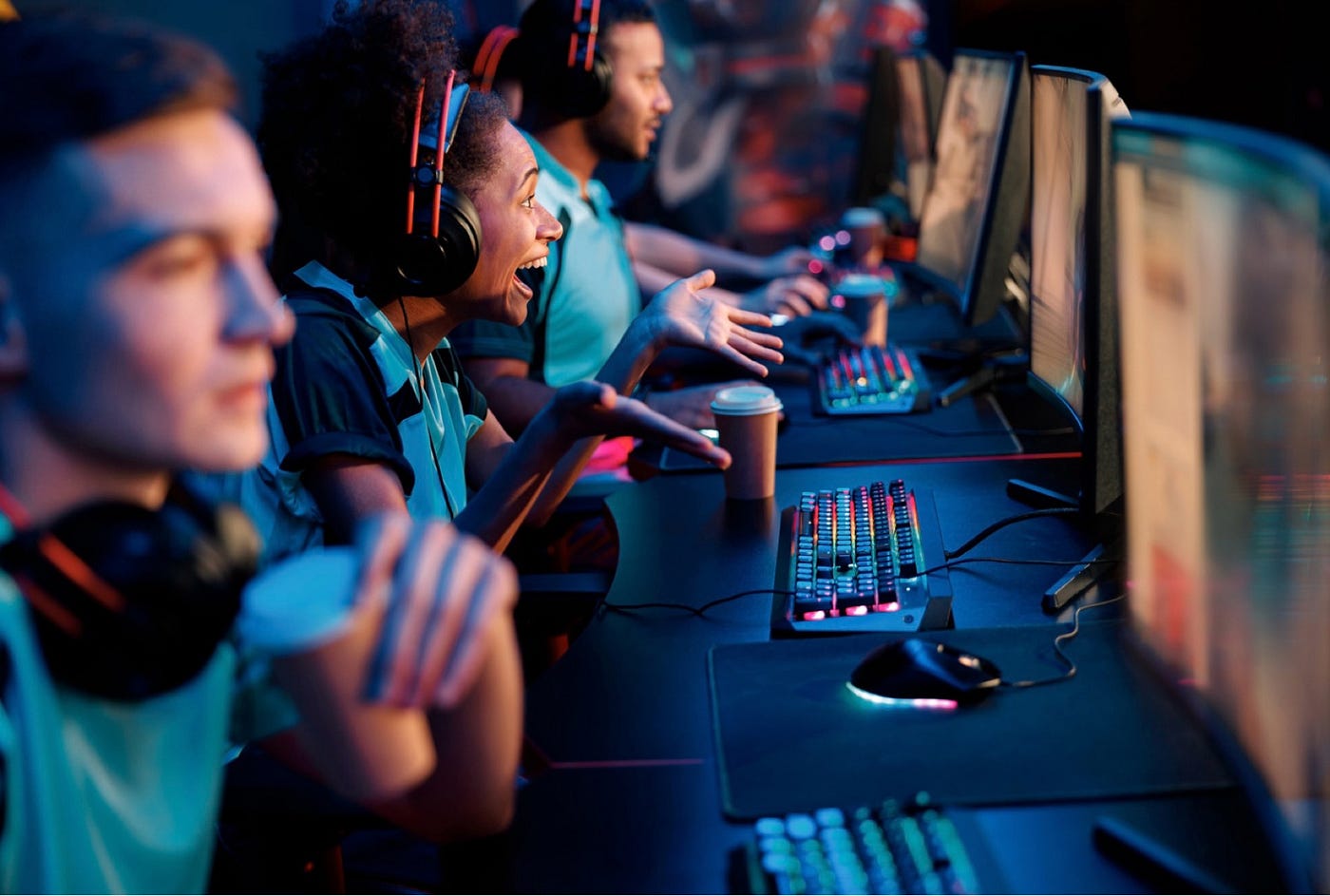
Social and community aspects are also enhanced through cloud gaming. Online multiplayer games and live events can be hosted seamlessly, connecting players from around the world without concerns about hardware compatibility. Cloud gaming allows for larger player bases, shared experiences, and cooperative gameplay on a scale that was previously challenging. Streamers and content creators also benefit from cloud gaming, as it enables them to play high-performance games without investing in expensive setups, making content creation more accessible and democratized.
Despite its many advantages, cloud gaming faces challenges that must be addressed for widespread adoption. High-speed and stable internet connections are essential for smooth gameplay, and players in regions with limited connectivity may struggle to enjoy cloud services. Latency, or delay between input and on-screen response, remains a concern for competitive gaming, where every millisecond matters. Additionally, subscription fees and data usage considerations may affect accessibility for some players. As technology advances, improvements in network infrastructure, compression algorithms, and server distribution will likely overcome these challenges and enhance the overall experience.
Looking to the future, cloud gaming is poised to become a central pillar of the gaming industry. Integration with emerging technologies such as 5G networks, edge computing, and artificial intelligence will reduce latency, improve streaming quality, and create smarter, more responsive gaming experiences. Cross-platform compatibility and cloud-based multiplayer ecosystems will continue to grow, connecting players in new ways and fostering global communities. The combination of accessibility, convenience, and technological innovation positions cloud gaming as a catalyst for the next evolution of interactive entertainment.
In conclusion, cloud gaming is transforming how people access, play, and experience video games. By removing hardware barriers, providing instant access to high-quality titles, and enabling new creative possibilities for developers, cloud gaming has opened the door to a more inclusive and flexible gaming ecosystem. While challenges remain, continued technological advancements and expanding infrastructure promise a future where players can enjoy immersive gaming experiences anywhere and anytime. The rise of cloud gaming represents not only a technological shift but a cultural one, redefining expectations for what gaming can be in the modern world.





Leave a Reply