

Mobile gaming has grown exponentially over the past decade, transforming smartphones and tablets into powerful gaming devices. With billions of users worldwide, mobile gaming is now a dominant sector in the gaming industry, outpacing traditional consoles in revenue and reach. The future of mobile gaming is poised for further expansion, driven by technological innovations, evolving player preferences, and the integration of social, competitive, and immersive experiences. Understanding these trends provides insight into how mobile gaming will shape the entertainment landscape in the coming years.
One of the most significant drivers of mobile gaming growth is cloud gaming and streaming. Cloud technology allows players to access high-quality games without relying on expensive hardware or large downloads. Services like NVIDIA GeForce Now, Xbox Cloud Gaming, and Google Stadia are bringing console-level experiences to mobile devices, enabling seamless play across platforms. Cloud gaming reduces barriers to entry, allowing more players to enjoy graphically demanding games and fostering a broader audience. With advancements in 5G networks, latency issues are decreasing, ensuring smooth, real-time gameplay for competitive and cooperative experiences.
Augmented reality (AR) and virtual reality (VR) experiences are also emerging as important trends in mobile gaming. AR games, such as Pokémon Go and Harry Potter: Wizards Unite, overlay digital content onto the real world, creating interactive experiences that blend physical and virtual environments. Mobile VR headsets and AR-compatible devices are increasingly affordable, providing immersive experiences that engage players in novel ways. These technologies are opening new avenues for creativity, storytelling, and social interaction, allowing developers to create experiences that extend beyond the screen.
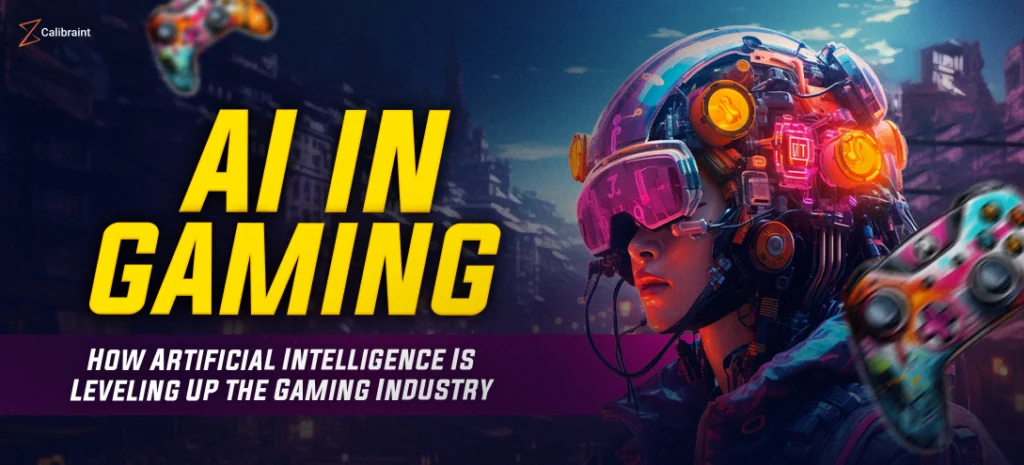
The integration of artificial intelligence (AI) is transforming mobile gaming by enabling personalized, adaptive experiences. AI can adjust difficulty, recommend content, and create responsive in-game challenges that match player skill levels. Procedurally generated levels, intelligent NPCs, and dynamic game environments ensure that no two playthroughs are the same, increasing replayability and engagement. AI-driven analytics also allow developers to understand player behavior, improve game design, and deliver targeted experiences, creating a more customized and enjoyable gaming environment.
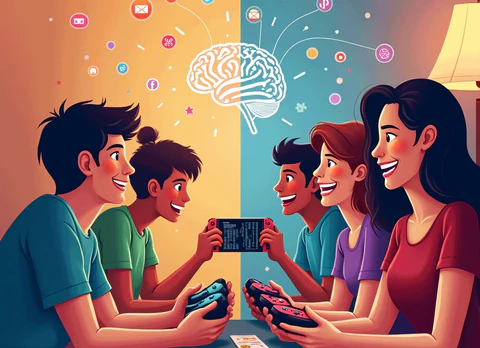
Social interaction and multiplayer experiences continue to shape the mobile gaming landscape. Mobile platforms now offer cooperative, competitive, and community-driven gameplay that rivals console and PC experiences. Games like Clash Royale, PUBG Mobile, and Genshin Impact integrate social features, such as guilds, voice chat, and live events, allowing players to connect, collaborate, and compete globally. Social elements foster engagement, loyalty, and shared experiences, transforming mobile games into virtual spaces for community-building and collaboration.
Cross-platform play is another trend that is reshaping mobile gaming. Developers increasingly allow players to connect across mobile, console, and PC, enabling seamless multiplayer experiences. Cross-platform capabilities break down barriers between devices, expand the player base, and create larger, more competitive communities. This trend not only enhances accessibility but also strengthens the social and competitive aspects of gaming, making mobile devices an integral part of the broader gaming ecosystem.
The rise of freemium and microtransaction models has also transformed the mobile gaming business. Free-to-play games generate revenue through in-app purchases, cosmetics, and subscription models, offering players flexibility in how they engage with the game. Successful titles leverage these models to maintain long-term engagement, encouraging repeat play, community participation, and monetization. While monetization strategies continue to evolve, developers are increasingly focused on balancing profitability with player satisfaction, ensuring fair, enjoyable, and sustainable experiences.
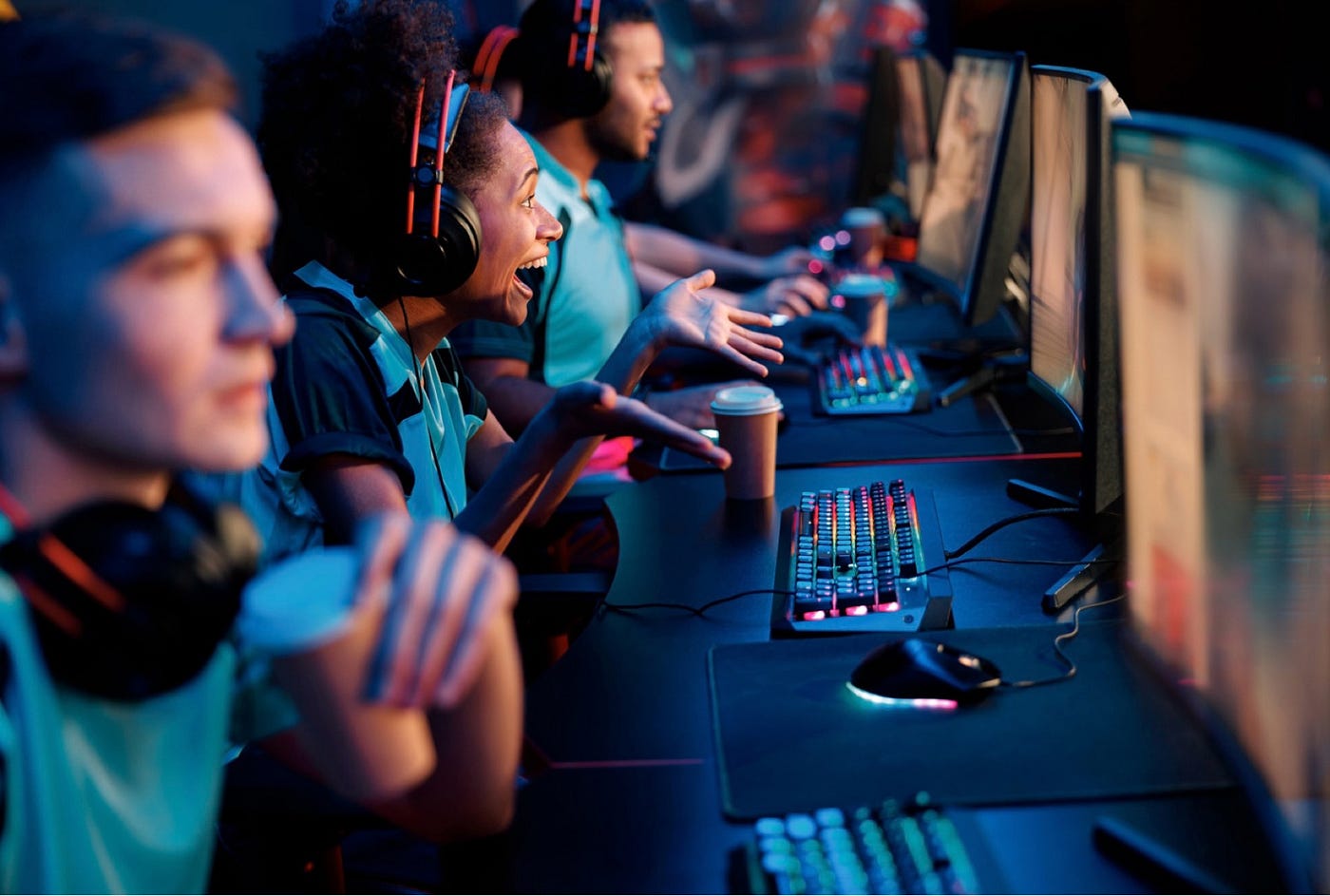
Esports and competitive mobile gaming are growing rapidly. Mobile tournaments, live-streamed events, and international competitions have created opportunities for professional players, sponsors, and content creators. Games such as Mobile Legends: Bang Bang and PUBG Mobile feature structured competitive scenes with significant prize pools and global audiences. Competitive mobile gaming enhances the legitimacy of mobile platforms as a serious gaming medium while attracting new players and fostering community engagement.
Emerging technologies such as blockchain, NFTs, and virtual economies are beginning to influence mobile gaming. Some developers are experimenting with tokenized assets, digital collectibles, and in-game economies that allow players to trade, sell, and own digital property. While these technologies are still evolving, they offer new ways for players to engage with games, create value, and participate in digital economies, signaling a shift toward more interactive and player-driven experiences.
In conclusion, the future of mobile gaming is defined by innovation, accessibility, and community. Cloud gaming, AI, AR/VR, cross-platform play, social interaction, esports, and emerging digital economies are shaping the mobile gaming landscape, creating opportunities for immersive, personalized, and competitive experiences. As technology continues to advance, mobile devices will become even more powerful, versatile, and integral to the global gaming ecosystem. The trends and innovations in mobile gaming promise to expand its reach, redefine engagement, and make it a central component of the entertainment and cultural landscape for years to come.






Leave a Reply