
Storytelling has always been an integral part of human culture, and in modern video games, it has become a central element that distinguishes interactive entertainment from other media. Gone are the days when games relied solely on mechanics and objectives; today, compelling narratives, character development, and immersive worlds are driving engagement, emotional connection, and player investment. The evolution of storytelling in video games has transformed how players experience games, making them not only fun but also meaningful, memorable, and culturally significant.
One of the key ways storytelling enhances modern games is through emotional engagement. Strong narratives allow players to connect with characters, understand their motivations, and experience a range of emotions from joy and excitement to fear and empathy. Games such as The Last of Us, Red Dead Redemption 2, and Life is Strange have demonstrated the power of well-crafted stories to evoke deep emotional responses. Players often remember these experiences long after gameplay ends, highlighting how narrative depth can elevate a game beyond simple entertainment.
Character development is another critical aspect of storytelling in modern games. Unlike films or books, video games offer players the ability to influence character arcs through choices, actions, and interactions. Role-playing games (RPGs) and narrative-driven titles, such as Mass Effect and Dragon Age, provide branching storylines that respond to player decisions. This interactivity allows players to feel a sense of ownership over the story, making decisions impactful and enhancing immersion. Dynamic characters, moral dilemmas, and personalized narratives contribute to a richer and more engaging gameplay experience.
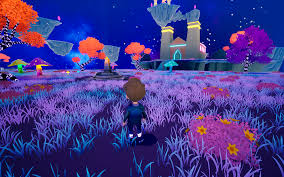
The use of world-building is central to modern game storytelling. Immersive environments, detailed lore, and interconnected narratives create believable worlds that players can explore and interact with. Games like The Witcher 3: Wild Hunt and Horizon Zero Dawn exemplify how richly crafted worlds enhance narrative depth. Environmental storytelling, where the surroundings themselves convey history, culture, and conflict, allows players to uncover the story organically. This approach encourages exploration, discovery, and engagement, making players active participants in the narrative rather than passive observers.
Interactive storytelling distinguishes games from other forms of media. Unlike movies or novels, games offer agency, allowing players to influence the pacing, direction, and outcome of the story. This interactivity creates a unique narrative experience, where player choices shape consequences, relationships, and endings. Games like Detroit: Become Human and Telltale’s The Walking Dead use branching narratives and multiple endings to give players a sense of control, reinforcing the idea that their actions matter. Interactive storytelling fosters engagement, replayability, and emotional investment, providing experiences that are deeply personal and memorable.
Modern game design also integrates cinematic techniques to enhance storytelling. Cutscenes, voice acting, motion capture, and realistic graphics allow developers to create narratives that rival those of films and television. High-quality production values in games such as Cyberpunk 2077 and God of War elevate storytelling by providing visual and auditory immersion, making players feel like they are part of a living, breathing world. The combination of interactivity and cinematic presentation enables games to deliver narratives in ways no other medium can.
Social and cultural narratives in games are increasingly relevant. Games now explore complex themes such as identity, ethics, mental health, social justice, and environmental issues. Titles like Life is Strange and Hellblade: Senua’s Sacrifice address mental health, trauma, and personal growth, creating awareness while engaging players emotionally. Games have become a platform for cultural expression, representation, and social commentary, allowing players to experience perspectives and stories that may differ from their own, fostering empathy and understanding.
The integration of player-driven storytelling has also emerged as a significant trend. Multiplayer worlds, sandbox games, and user-generated content allow communities to create narratives collaboratively. Games like Minecraft and Roblox enable players to design worlds, develop stories, and share experiences, making the narrative a shared cultural creation rather than a single developer’s vision. This democratization of storytelling encourages creativity, collaboration, and social interaction, reinforcing the community aspect of modern gaming.
Despite the advances in storytelling, challenges remain. Balancing narrative depth with gameplay, avoiding clichés, and creating meaningful player choices requires skill and careful design. Overly linear stories may feel restrictive, while too much player freedom can dilute narrative cohesion. Developers must also consider pacing, accessibility, and engagement to ensure that storytelling complements gameplay rather than interrupting it. Successful games strike a balance between mechanics and narrative, providing experiences that are both interactive and emotionally compelling.
In conclusion, storytelling in modern video games plays a critical role in creating immersive, engaging, and meaningful experiences. Through emotional engagement, character development, world-building, interactive mechanics, cinematic techniques, and social narratives, games offer stories that are uniquely interactive and personally impactful. The evolution of storytelling has elevated games from entertainment to cultural experiences, providing players with narratives that entertain, educate, and inspire. As technology continues to advance and game design evolves, the role of storytelling in video games will only grow, shaping the future of interactive entertainment for years to come.







Leave a Reply