
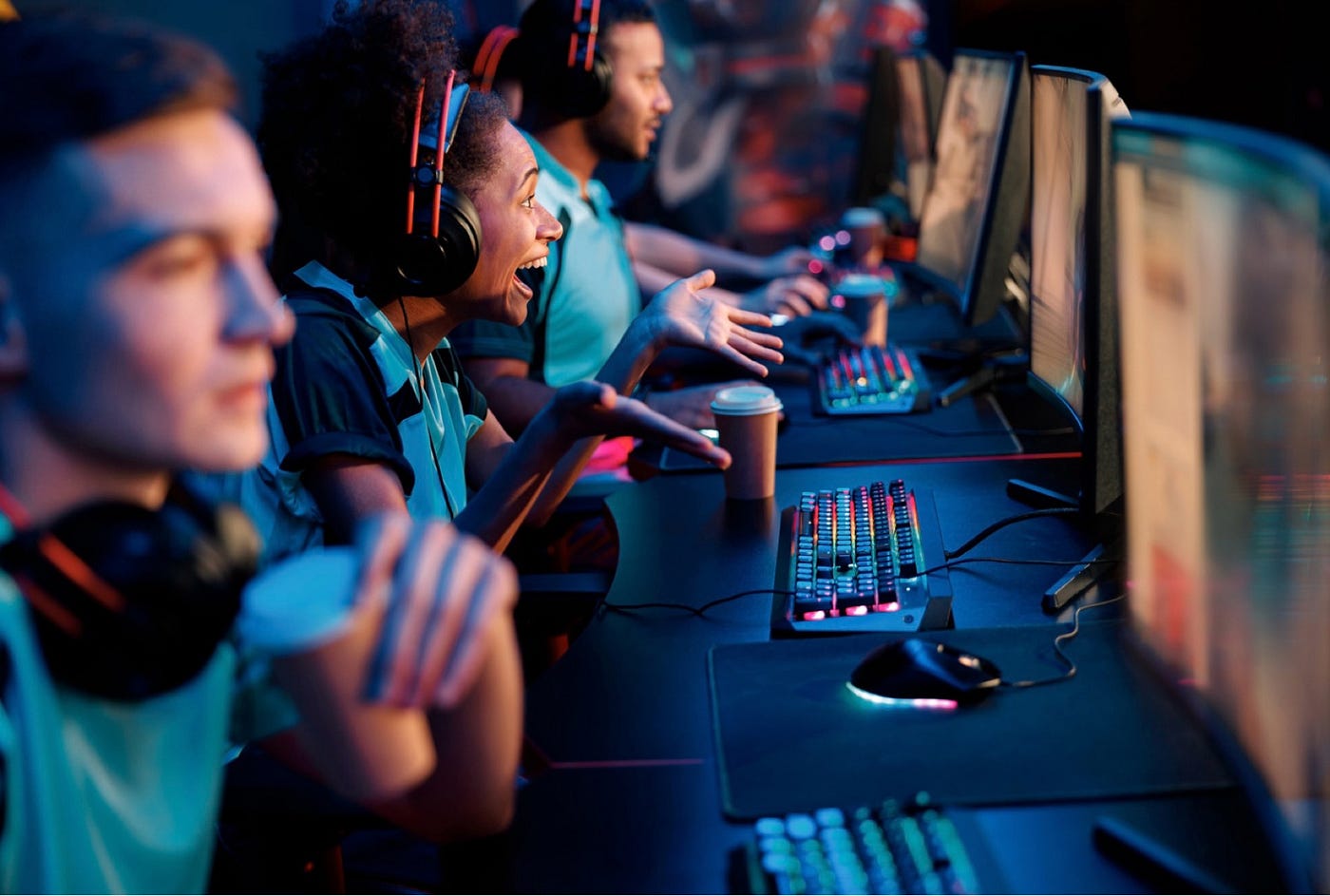
Gaming has evolved far beyond a solitary pastime, becoming a cultural phenomenon that connects millions of players around the world. Central to this evolution is the rise of online communities, which have transformed gaming into a social experience that fosters collaboration, competition, and shared creativity. These digital spaces not only provide opportunities for players to interact, but they also shape gaming culture, influence industry trends, and create global networks that extend far beyond the games themselves. Understanding the role of gaming culture and community highlights the social impact of interactive entertainment and the ways in which players engage with one another in the modern era.
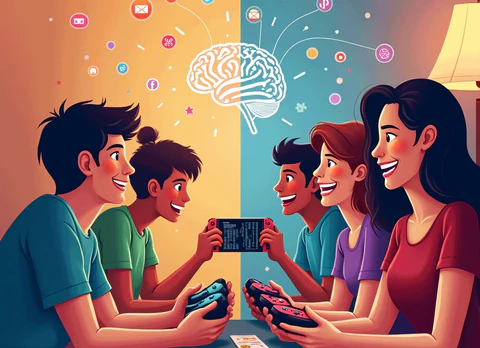
One of the most significant aspects of gaming culture is the sense of community it fosters. Multiplayer games, massively multiplayer online role-playing games (MMORPGs), and social platforms like Fortnite, Minecraft, and Roblox allow players to connect and cooperate in real time. Players form guilds, clans, and teams, often collaborating to achieve shared goals or compete against others. This cooperation builds camaraderie, encourages teamwork, and develops communication skills, creating bonds that are sometimes stronger than those formed through offline activities. For many players, gaming communities serve as social networks where friendships are forged, strategies are shared, and experiences are celebrated together.
Online forums, streaming platforms, and social media have also contributed to the growth of gaming culture. Platforms like Discord, Reddit, and Twitch provide spaces for players to discuss strategies, share gameplay, participate in events, and build fan communities around specific games. Twitch streaming, in particular, has transformed gaming into a spectator activity, where players can engage with streamers, watch live gameplay, and interact through chat. These platforms foster cultural exchange, inspire creativity, and allow communities to grow organically, creating shared identities and social norms around gaming experiences.
The influence of esports and competitive gaming is another major factor shaping gaming culture. Professional competitions and tournaments have turned gaming into a spectator sport, attracting millions of viewers worldwide. Events like the League of Legends World Championship, The International for Dota 2, and the Fortnite World Cup provide platforms for players to demonstrate skill, strategy, and teamwork. These competitive spaces create communities of fans who discuss strategies, analyze gameplay, and celebrate player achievements. Esports has helped legitimize gaming as a cultural and professional pursuit, providing role models and inspiring participation across generations.
Creative expression within gaming communities also plays a key role in shaping culture. Games like Minecraft, Roblox, and The Sims allow players to design environments, build structures, and create stories collaboratively. Fan art, modding communities, and user-generated content further enhance creativity, providing platforms for players to contribute to the culture surrounding a game. This creativity fosters a sense of ownership and pride, allowing players to shape the worlds they inhabit and share their innovations with others. These collaborative spaces have also led to cross-platform creativity, where ideas, mods, and designs influence other games, expanding the culture beyond a single title.
Inclusivity and diversity are becoming increasingly important within gaming communities. Online spaces bring together players from different countries, backgrounds, and abilities, creating opportunities for cultural exchange and social learning. While challenges such as toxicity, harassment, and exclusion remain, communities and developers are actively working to promote safe, welcoming, and inclusive environments. Initiatives like moderated forums, inclusive design practices, and awareness campaigns encourage players to interact respectfully and contribute to a positive culture. Inclusive communities help ensure that gaming remains accessible, enjoyable, and socially enriching for a wide range of participants.
The cultural impact of gaming communities extends beyond gameplay. Communities influence industry trends, marketing strategies, and even game development. Developers increasingly engage with players through forums, surveys, and beta testing, using community feedback to improve balance, fix bugs, and develop new features. Player-generated content and online discussions shape which games become popular, what mechanics are emphasized, and how narratives evolve. In this way, communities are not passive consumers but active participants in the creation and evolution of gaming culture.
Despite the benefits, maintaining healthy gaming communities requires effort. Moderation, clear community guidelines, and proactive engagement are critical to preventing harassment, cheating, and other negative behaviors. Platforms that support constructive interaction and celebrate positive contributions foster stronger bonds and richer experiences. Encouraging diversity, collaboration, and mutual respect helps communities thrive, ensuring that gaming culture remains vibrant and inclusive.
Looking ahead, gaming culture and community will continue to evolve with technology. Virtual reality (VR), augmented reality (AR), and cloud gaming will create new immersive social experiences, enabling players to meet, collaborate, and compete in unprecedented ways. AI-driven features, live events, and cross-platform integration will further strengthen community engagement, creating global networks of players connected through shared interests and experiences. These advancements promise to make gaming communities even more dynamic, interactive, and culturally influential.
In conclusion, gaming culture and community are central to the modern gaming experience. Online spaces, multiplayer platforms, streaming services, esports, and creative collaboration foster social interaction, teamwork, and shared identity among players. Communities influence industry trends, provide cultural exchange, and support creativity, making gaming a deeply social and culturally significant medium. As technology and online connectivity advance, gaming communities will continue to bring players together, shaping culture, driving innovation, and creating shared experiences that extend far beyond the games themselves.





Leave a Reply