

The gaming industry has long been perceived as male-dominated, both in terms of player demographics and professional opportunities. For decades, women faced significant challenges in entering the field as developers, designers, and competitive gamers, while also encountering stereotypes and underrepresentation in game narratives. However, in recent years, the landscape has begun to shift dramatically. Women are breaking barriers, challenging industry norms, and reshaping gaming culture, creating a more inclusive environment for both creators and players. The rise of women in gaming reflects broader social changes and underscores the importance of diversity in creativity, innovation, and community-building within the industry.
One of the most visible areas where women are making an impact is professional game development. Women are increasingly occupying roles as designers, programmers, artists, writers, and executives, contributing unique perspectives that enhance game creativity and diversity. Leading studios and indie developers alike have showcased games that explore different themes, narratives, and art styles, often reflecting experiences and stories previously underrepresented. Titles like Celeste, developed by Matt Makes Games with a diverse team, highlight inclusive storytelling and strong female characters, showing how women’s contributions can shape both the narrative and design of modern games.
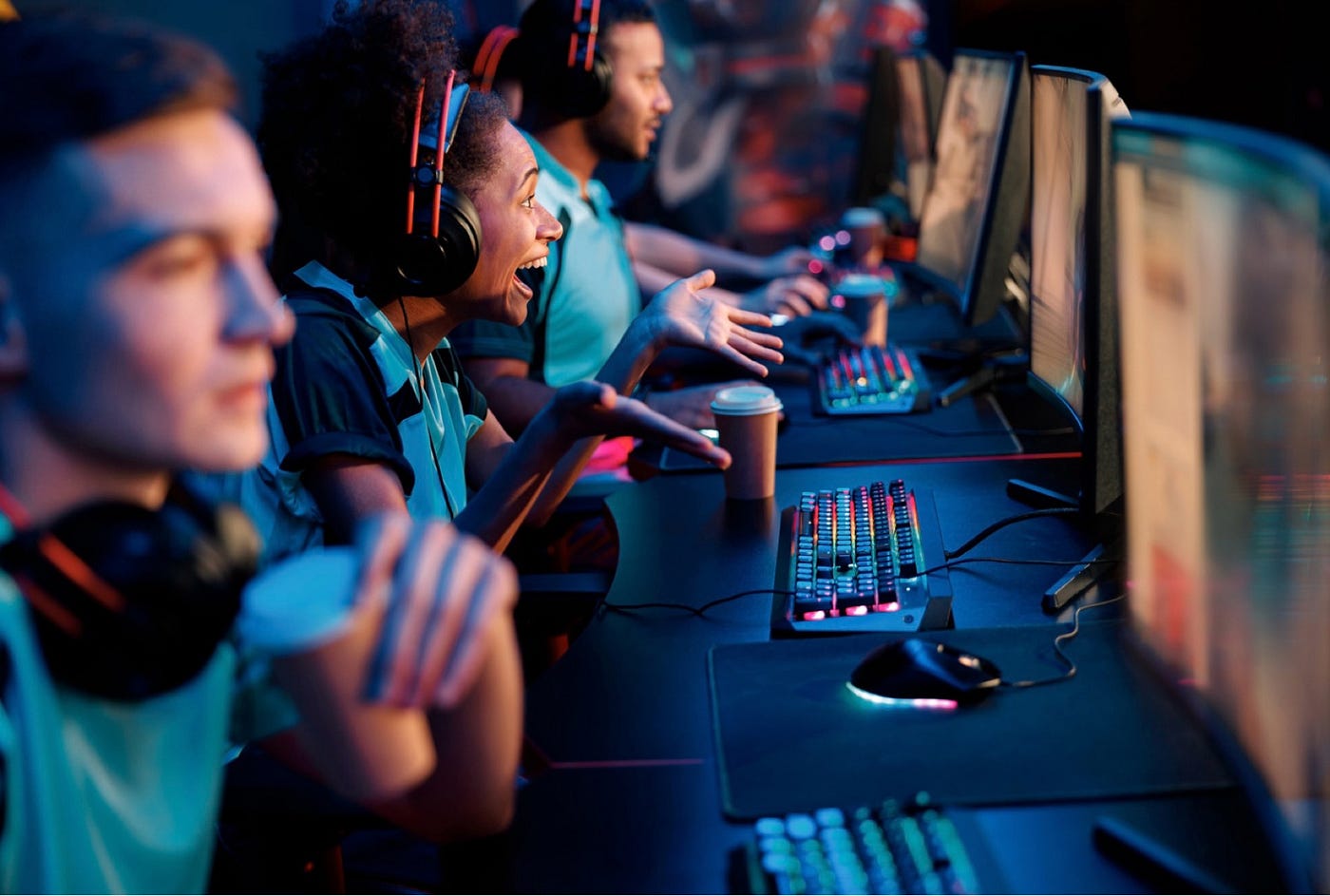
In addition to development, women are also making significant strides in professional esports and competitive gaming. Female players have entered competitive leagues, tournaments, and streaming platforms, challenging stereotypes and proving their skills in high-pressure environments. Organizations and events dedicated to women in esports, such as the Women’s Esports League (WEL) and Girl Gamer Esports events, provide platforms for competition, mentorship, and visibility. These initiatives not only highlight female talent but also encourage young girls to pursue competitive gaming as a serious career path, breaking down longstanding gender barriers.
Representation in games has also improved due to the influence of women in the industry. Historically, female characters were often underrepresented or portrayed through stereotypes. Today, developers increasingly prioritize strong, multidimensional female protagonists, creating games that resonate with broader audiences. Characters like Aloy in Horizon Zero Dawn, Ellie in The Last of Us, and Jaina Proudmoore in World of Warcraft demonstrate complex personalities, strengths, and narratives that go beyond traditional tropes. This representation encourages inclusivity and empowers female players by allowing them to see themselves reflected in the games they play.
Social media and streaming platforms have further amplified the presence of women in gaming. Female content creators, streamers, and influencers have built large, engaged audiences, showcasing gameplay, providing tutorials, and sharing industry insights. Platforms like Twitch and YouTube Gaming have allowed women to create communities, challenge toxic behavior, and advocate for diversity within gaming culture. Visibility in these spaces not only highlights talent but also fosters mentorship opportunities and inspiration for other women aspiring to enter the industry.
Educational programs and initiatives are supporting the growth of women in gaming. Scholarships, coding bootcamps, mentorship programs, and university courses are specifically designed to encourage women to pursue careers in game development, design, and esports. Organizations such as Women in Games, Girls Make Games, and Women in Tech provide training, networking, and advocacy to reduce barriers and promote equality. These programs help create a pipeline of skilled women entering the industry, ensuring that gender diversity is not only celebrated but sustained over time.
Despite progress, challenges remain. Women in gaming still face gender-based discrimination, harassment, and unequal representation, both in the workplace and in online communities. Pay gaps, underrepresentation in leadership roles, and toxic online behavior continue to create obstacles. Addressing these issues requires ongoing efforts from developers, organizations, and the gaming community to enforce inclusivity, provide safe environments, and promote equity. Policies, mentorship, awareness campaigns, and community moderation play a critical role in ensuring that women can thrive in gaming without facing undue barriers.
Looking forward, the influence of women in gaming is likely to expand further. As diversity becomes increasingly recognized as a driver of creativity and innovation, studios and competitive organizations are actively seeking female talent and perspectives. Emerging technologies such as virtual reality (VR), augmented reality (AR), and artificial intelligence (AI) will open new opportunities for women to contribute to game design, storytelling, and interactive experiences. Additionally, growing advocacy for inclusivity in online communities and esports will continue to make gaming a welcoming space for players of all genders.
In conclusion, women are breaking barriers and reshaping the gaming industry, demonstrating that creativity, skill, and leadership know no gender. From professional development and esports participation to representation in games and community influence, women are leaving an indelible mark on gaming culture. While challenges remain, ongoing initiatives, education, and advocacy are creating a more inclusive and equitable industry. By embracing diversity and amplifying female voices, the gaming world is becoming richer, more innovative, and more reflective of the players it serves. The rise of women in gaming is not just a trend—it is a transformative movement that is redefining the future of interactive entertainment.





Leave a Reply