

In recent years, the influence of gaming has extended far beyond entertainment, reaching into the fields of education and learning. Video games are no longer just a leisure activity; they are increasingly recognized as tools that can support cognitive development, enhance problem-solving skills, and foster engagement in educational environments. Educators and researchers have begun to explore the ways in which games can be integrated into teaching methods, creating immersive, interactive, and motivating experiences for learners of all ages. The impact of gaming on education demonstrates the potential of this medium to transform traditional learning approaches and engage students in meaningful wa
One of the primary ways gaming affects education is through cognitive skill development. Many games require strategic thinking, memory, attention to detail, and quick decision-making. Puzzle games, strategy simulations, and role-playing titles challenge players to think critically and solve complex problems. For example, games like Civilization or Portal encourage planning, logical reasoning, and experimentation. By presenting challenges in a dynamic and interactive format, games allow learners to practice cognitive skills in a context that is both engaging and rewarding. Unlike traditional educational methods, which may rely on rote memorization, gaming encourages active participation and problem-solving in real time.
Gamification is another powerful way gaming has influenced education. Gamification refers to the integration of game mechanics—such as points, levels, rewards, and achievements—into learning environments to motivate students and encourage participation. Platforms that use gamified approaches can make difficult or repetitive topics more accessible and enjoyable. For instance, language learning apps like Duolingo use levels, streaks, and rewards to keep learners motivated, while educational platforms incorporate leaderboards and badges to foster friendly competition and engagement. Gamification leverages the psychological appeal of games to enhance learning outcomes, making students more invested in their own progress.
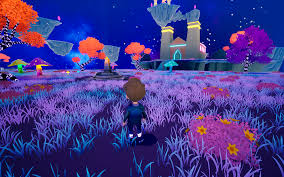
Video games also provide opportunities for experiential and immersive learning. Simulation games, virtual reality (VR) experiences, and interactive worlds allow learners to explore concepts in ways that are impossible in traditional classrooms. For example, VR history simulations can transport students to ancient civilizations, enabling them to experience cultural contexts firsthand. Science games can simulate experiments, chemical reactions, or space exploration, allowing learners to experiment safely and creatively. These immersive experiences provide immediate feedback and interactive problem-solving opportunities, reinforcing knowledge and encouraging curiosity.
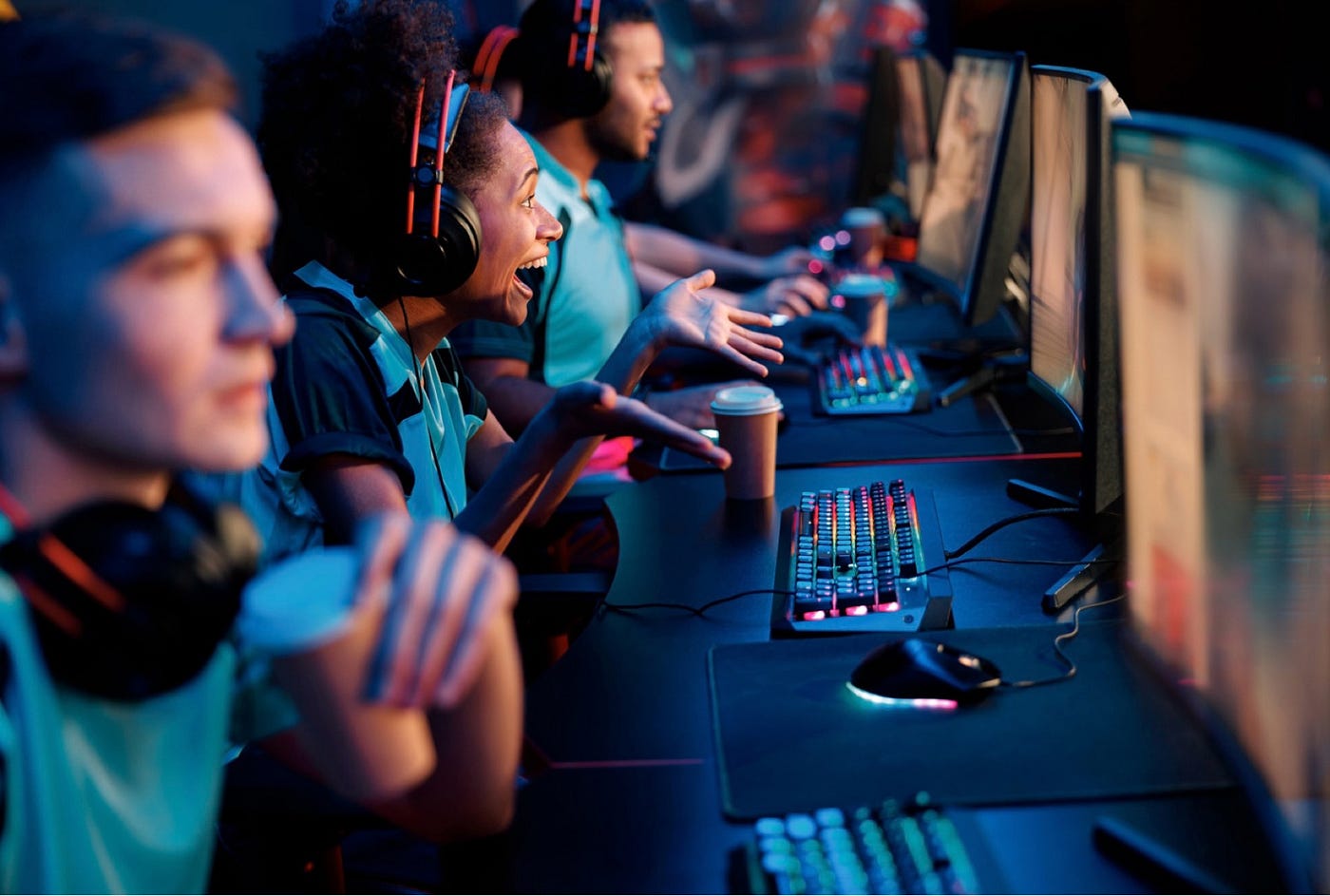
Collaboration and teamwork are additional educational benefits of gaming. Multiplayer and online games often require players to work together, communicate effectively, and coordinate strategies to achieve common goals. These experiences help students develop important social skills, such as leadership, collaboration, and conflict resolution, which are essential both in academic settings and in the workplace. Cooperative gaming experiences can also foster inclusivity, allowing students of different backgrounds, abilities, and skill levels to participate together in shared challenges. These collaborative dynamics make learning more engaging and meaningful.
Educational institutions are increasingly integrating gaming into curricula to support STEM education, digital literacy, and creativity. Coding games, programming simulations, and robotics-based games teach computational thinking, problem-solving, and technical skills while maintaining a fun and interactive environment. Creative games, such as Minecraft: Education Edition, encourage students to design structures, solve environmental challenges, and engage in project-based learning. By connecting gaming with educational objectives, educators can foster both critical thinking and creativity, preparing students for future careers in technology and beyond.
Despite its benefits, the use of gaming in education comes with challenges. Concerns about excessive screen time, potential distraction, and unequal access to devices must be addressed. Not all games are equally educational, and it is essential for educators to select appropriate titles and integrate them thoughtfully into lessons. Additionally, training teachers to effectively use games as educational tools is crucial for ensuring that gaming complements rather than replaces traditional learning methods.
Looking ahead, the potential for gaming in education is vast. Advances in artificial intelligence (AI) and adaptive learning systems will allow games to tailor content to individual learners’ needs, providing personalized challenges and feedback. Cloud gaming and mobile platforms will increase accessibility, enabling students to engage in educational games from anywhere. Emerging technologies like virtual reality (VR) and augmented reality (AR) will further enhance experiential learning, creating immersive environments that make abstract concepts tangible and interactive. These innovations promise to make education more engaging, effective, and inclusive in the years to come.
In conclusion, gaming is reshaping education by providing cognitive, social, and motivational benefits that extend far beyond traditional teaching methods. Through gamification, immersive experiences, collaboration, and skill development, games offer a dynamic and engaging approach to learning. While challenges remain, thoughtful integration of gaming into educational practices can enhance learning outcomes, foster creativity, and prepare students for a rapidly evolving digital world. As technology continues to advance, the impact of gaming on education will likely grow, making interactive, engaging, and adaptive learning an essential part of modern education.




Leave a Reply