
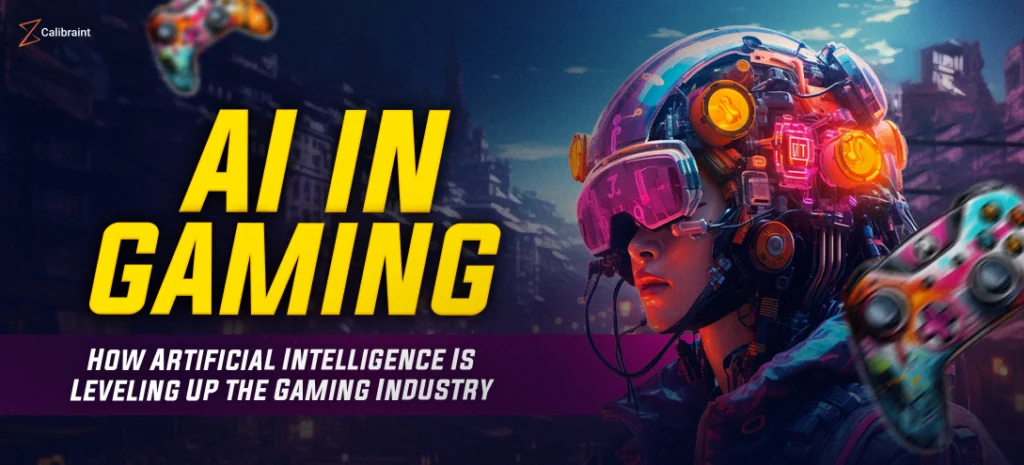
Artificial Intelligence (AI) has rapidly become one of the most transformative forces in the gaming industry, revolutionizing how games are designed, developed, and experienced. From enhancing non-player character (NPC) behavior to creating dynamic environments and personalized gameplay, AI is reshaping every aspect of gaming. What was once a tool limited to basic programming and scripted behaviors now powers complex, immersive, and adaptive experiences that respond to player actions in real time. This evolution not only improves the quality of games but also expands the creative possibilities for developers and deepens engagement for players worldwide.
One of the most visible applications of AI in gaming is in the behavior and intelligence of NPCs. Traditional games relied on scripted or predictable patterns, which often led to repetitive gameplay and limited challenge. Modern AI allows NPCs to adapt to player actions, strategize, and respond dynamically. For example, enemies in games such as The Last of Us Part II or Alien: Isolation can plan ambushes, coordinate attacks, and react to environmental changes, creating more realistic and challenging encounters. By making in-game characters more lifelike and intelligent, AI enhances immersion and encourages players to think creatively, improving the overall gameplay experience.
AI also plays a crucial role in procedural content generation. Developers can use AI algorithms to create expansive worlds, levels, and scenarios without manually designing every element. Games like Minecraft, No Man’s Sky, and Dead Cells leverage AI to generate vast, unique environments that keep players engaged for hours. Procedural generation ensures that no two playthroughs are exactly the same, providing variety, replayability, and a sense of discovery. By automating aspects of content creation, AI allows developers to focus on storytelling, mechanics, and artistic direction while still delivering rich and dynamic game worlds.
Personalization is another area where AI is transforming player experience. Modern games can analyze player behavior, preferences, and skill levels to adjust difficulty, suggest strategies, or tailor narratives. Adaptive difficulty ensures that both novice and experienced players enjoy challenges appropriate to their abilities, reducing frustration and increasing satisfaction. Narrative-driven games can branch storylines based on choices, actions, or play style, creating a sense of agency and emotional investment. AI-driven personalization transforms games from static experiences into interactive journeys, making players feel like the story and gameplay were designed specifically for them.
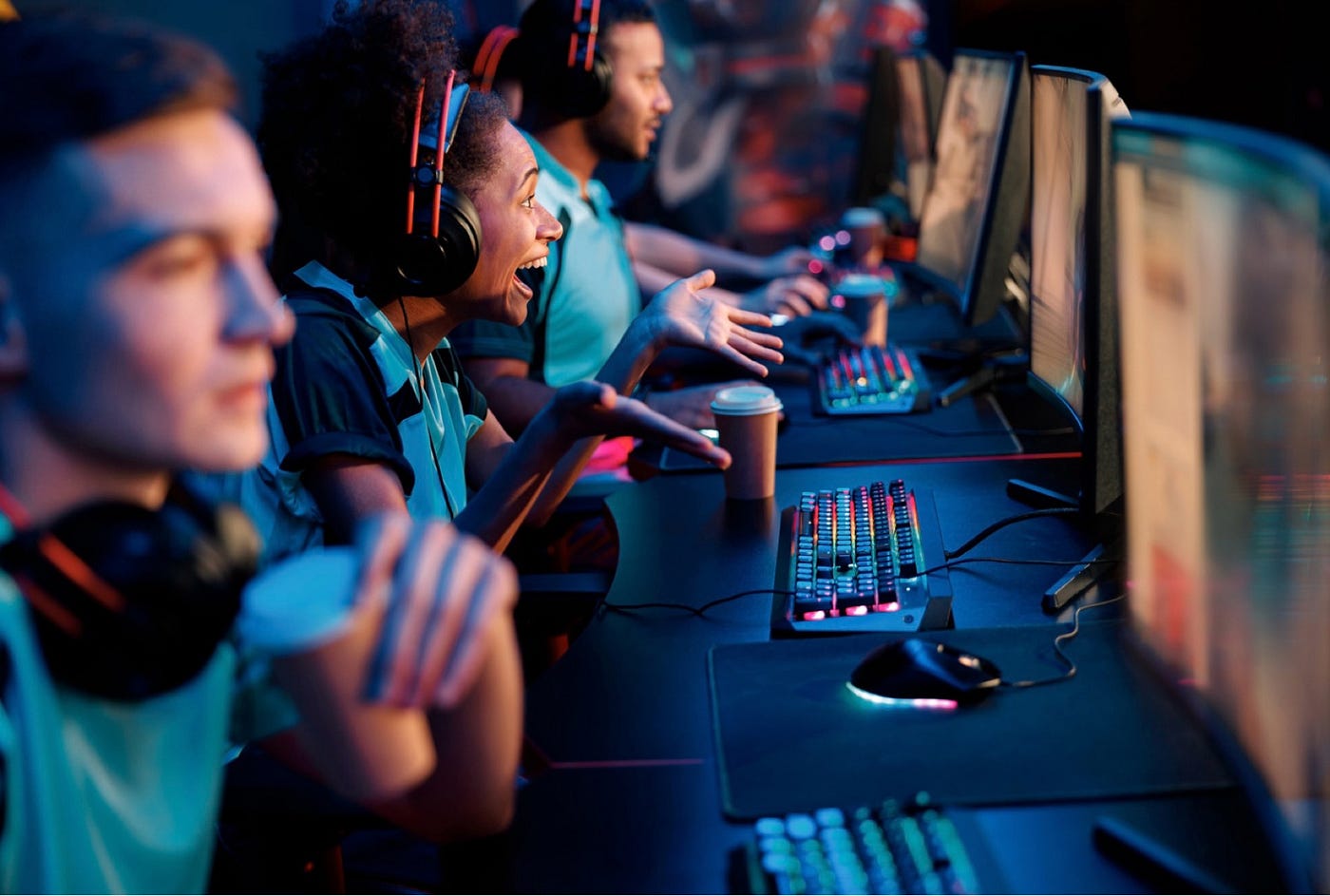
AI also enhances multiplayer and online gaming. Matchmaking algorithms now use AI to pair players with similar skill levels, ensuring fair competition and reducing frustration. In competitive games, AI can monitor gameplay to detect cheating, provide analytics, and assist in balancing game mechanics. In online social games, AI can moderate chat, manage virtual economies, and support community management, fostering a safer and more enjoyable environment for players. These advancements ensure that multiplayer games remain engaging, fair, and community-driven.
The integration of AI in game development extends beyond gameplay mechanics to creative and production processes. AI tools assist designers in automating repetitive tasks, optimizing performance, and even generating assets such as textures, animations, and music. This allows smaller teams to produce higher-quality games and larger studios to streamline production pipelines. AI-powered testing and debugging can identify bugs, optimize performance, and predict potential player behaviors, reducing development time and costs while improving the final product.
Virtual reality (VR) and augmented reality (AR) gaming have also benefited from AI. AI-driven systems can create responsive environments, dynamic challenges, and intelligent virtual companions that adapt to player actions in real time. In VR games, AI enhances realism by enabling NPCs to react naturally to player movements and decisions, while in AR, AI can map real-world environments and integrate interactive digital elements seamlessly. This combination of AI and immersive technologies pushes the boundaries of what games can offer, creating experiences that feel lifelike, responsive, and emotionally engaging.
Despite its many advantages, AI in gaming also raises challenges. Ethical considerations, such as privacy concerns, biased algorithms, and over-reliance on AI, must be addressed to ensure that technology serves players positively. Developers must balance automation with creativity, ensuring that AI enhances rather than replaces human artistry. Additionally, as AI-driven personalization becomes more advanced, protecting player data and maintaining transparency will be crucial to preserving trust and maintaining an enjoyable gaming experience.
Looking forward, AI is expected to continue driving innovation in gaming at an unprecedented pace. Advanced machine learning, neural networks, and real-time analytics will create increasingly adaptive and immersive experiences. AI could enable fully dynamic narratives, intelligent virtual assistants, and game worlds that evolve based on community behavior. Combined with emerging technologies like cloud gaming, VR, and AR, AI will redefine what is possible in interactive entertainment, creating experiences that are smarter, more responsive, and more emotionally engaging than ever before.
In conclusion, AI is fundamentally transforming game design and player experience. By enhancing NPC behavior, enabling procedural content, personalizing gameplay, and improving development workflows, AI empowers both developers and players in new and exciting ways. The integration of AI ensures that games are not only more engaging and immersive but also adaptable, challenging, and personalized. As the technology continues to evolve, AI promises to push the boundaries of gaming, offering experiences that are richer, more dynamic, and more interactive than ever imagined. The future of gaming is intelligent, and AI is at the center of this revolution.






Leave a Reply