
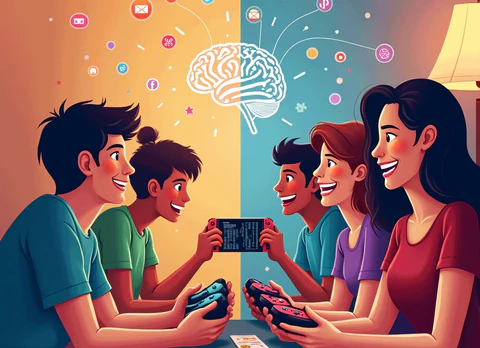
Gaming has long been a topic of debate when it comes to mental health. For decades, popular media often portrayed video games as a source of addiction, social isolation, and negative psychological effects. However, recent research and firsthand experiences from millions of gamers worldwide have begun to challenge these assumptions. While excessive gaming can pose risks, evidence shows that gaming also offers numerous cognitive, emotional, and social benefits. Understanding the distinction between myths and reality is essential for players, parents, and mental health professionals seeking a balanced perspective on the impact of gaming.
One of the most persistent myths about gaming is that it leads to addiction and harmful behavior. Headlines often highlight extreme cases of excessive gaming, but these instances represent a small fraction of the global gaming population. According to research, only a minority of players develop problematic gaming patterns, and such behaviors are typically linked to pre-existing conditions such as anxiety, depression, or social difficulties. For most players, gaming is a safe and enjoyable activity that does not interfere with daily responsibilities. The stigma around gaming addiction has often overshadowed its potential benefits, creating misconceptions that fail to account for the diversity of experiences within the gaming community.
In contrast to these myths, numerous studies highlight the cognitive and mental health benefits of gaming. Many games require strategic thinking, problem-solving, and quick decision-making, all of which can strengthen mental agility. Puzzle games, strategy titles, and simulation games challenge the brain in ways similar to traditional mental exercises, promoting memory, attention, and spatial awareness. Even fast-paced action games have been linked to improved hand-eye coordination and reaction times. These cognitive benefits demonstrate that gaming is not inherently harmful; in fact, when played in moderation, it can enhance mental capabilities and provide meaningful mental stimulation.
Gaming also provides significant emotional and social benefits. Online multiplayer games allow players to connect with friends, family, and global communities, offering social interaction that can reduce feelings of loneliness. Cooperative gameplay fosters teamwork, communication, and problem-solving skills, helping players build meaningful connections. Furthermore, gaming can serve as a form of stress relief and emotional regulation. Immersive worlds, engaging narratives, and interactive gameplay provide opportunities for players to relax, escape from stress, and experience a sense of accomplishment. Games with strong storytelling can also encourage empathy by allowing players to experience diverse perspectives, emotions, and challenges, contributing to emotional growth and understanding.
Another misconception is that gaming isolates players from society. While some may assume that gamers spend excessive time alone, research shows that gaming can enhance social connectedness. Multiplayer online games, esports competitions, and gaming communities provide spaces for socialization and collaboration. Platforms such as Discord, Twitch, and Reddit allow gamers to interact, discuss strategies, and form lasting friendships. In fact, for some individuals who struggle with traditional social environments, gaming provides a safe and inclusive space to engage with others, develop communication skills, and build confidence.
However, it is important to recognize that moderation and balance are key. Excessive gaming, particularly when it interferes with sleep, work, or relationships, can have negative effects on mental health. Developers, parents, and players can mitigate risks by setting reasonable time limits, promoting breaks, and encouraging a variety of activities alongside gaming. Many modern games include parental controls, reminders, and built-in features to encourage responsible play. Awareness and education about healthy gaming habits are critical for maximizing the benefits while minimizing potential harms.
The mental health implications of gaming also extend to innovative therapeutic applications. “Serious games” designed specifically for education, rehabilitation, and therapy are being used to treat anxiety, depression, PTSD, and cognitive impairments. Virtual reality (VR) and interactive simulations allow patients to practice social skills, exposure therapy, and mindfulness exercises in controlled environments. Gamification, or the use of game design principles in non-gaming contexts, is increasingly applied in mental health programs, demonstrating the potential of gaming as a tool for positive change.
Looking ahead, the relationship between gaming and mental health is likely to become even more nuanced. As research continues, it will clarify which types of games, durations, and social contexts are most beneficial. The gaming industry itself is becoming more aware of mental health concerns, designing games that encourage balance, social engagement, and well-being. By understanding the myths and realities of gaming, players and society can embrace the positive aspects of this medium while addressing potential challenges responsibly.
In conclusion, gaming and mental health are connected in complex and multifaceted ways. While myths about addiction, isolation, and harm persist, evidence increasingly shows that gaming offers cognitive, emotional, and social benefits when approached responsibly. Multiplayer experiences, immersive narratives, and strategic challenges contribute to mental stimulation, stress relief, and social interaction. Moderation, awareness, and thoughtful game design are essential for ensuring that gaming remains a positive influence on mental health. Ultimately, the reality of gaming is far richer and more beneficial than many early misconceptions suggest, highlighting its potential to support personal growth, well-being, and social connectedness in the modern world.









Leave a Reply