
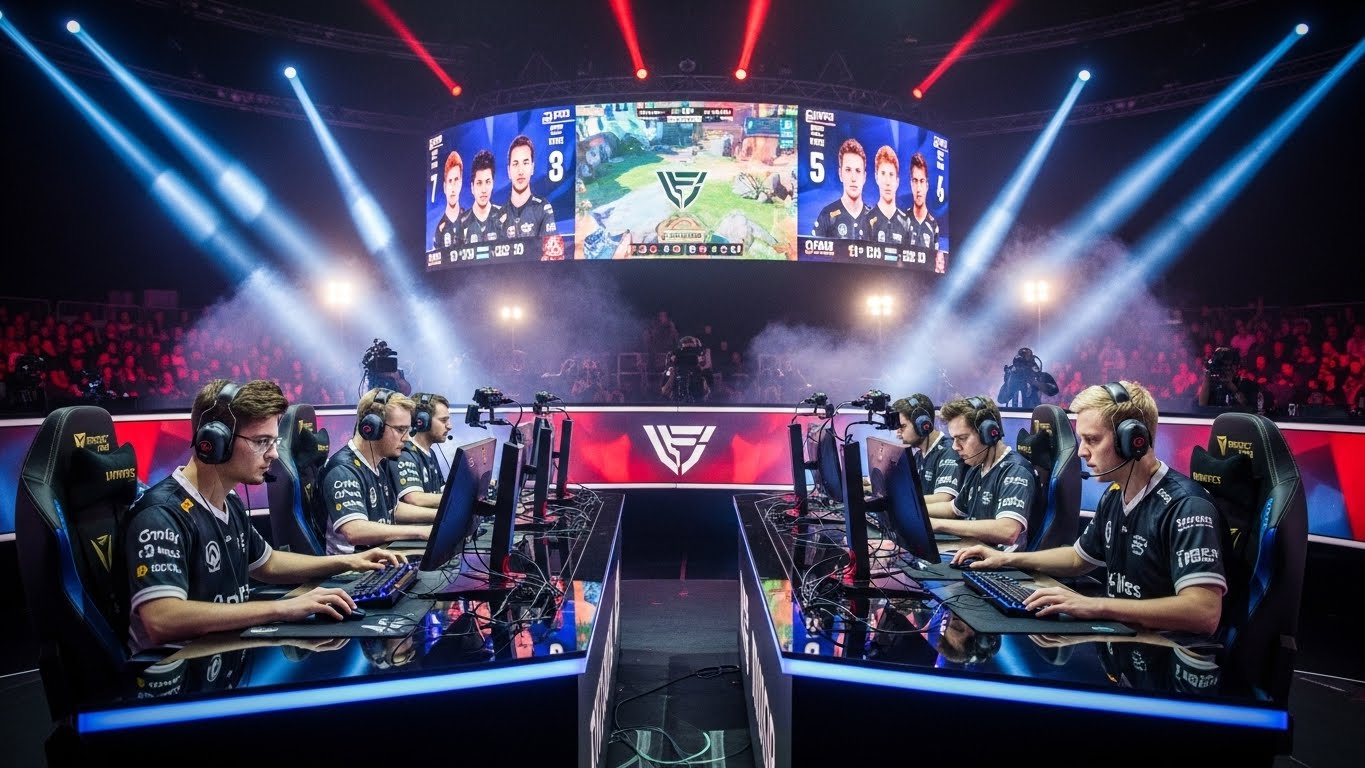
Over the past decade, esports has transformed from a small community of competitive gamers into a worldwide industry followed by millions of fans. What was once considered a simple hobby has now become a professional career path, complete with sponsorships, international tournaments, and massive prize pools. Esports, or electronic sports, refers to organized competitive video gaming where skilled players compete individually or as teams. With the growth of high-speed internet and streaming platforms, esports has developed into one of the fastest-growing entertainment sectors in the world.
The foundation of esports began with multiplayer games that allowed players to compete against one another online. Early competitive scenes were built around games such as Counter-Strike and StarCraft, which gained popularity in internet cafes and gaming communities. As technology improved, more advanced titles entered the competitive scene. Games like League of Legends and Dota 2 introduced structured leagues and international championships that attracted millions of viewers worldwide.
One of the key factors behind the growth of esports is accessibility. Unlike traditional sports, competitive gaming does not require large physical spaces or expensive equipment beyond a gaming device and internet connection. This allows players from different backgrounds and countries to participate. Online tournaments make it possible for talented individuals to showcase their skills without traveling long distances. As a result, esports has created opportunities for players who may not have had access to traditional athletic programs.
Professional esports players dedicate significant time to practice and improvement. Just like athletes in physical sports, they train for several hours each day to refine their strategies, communication, and reaction speed. Teams often include coaches, analysts, and managers who help players prepare for competitions. Major tournaments are held in large arenas filled with fans, and millions more watch through streaming platforms. Prize pools in international championships can reach millions of dollars, making esports a serious and competitive profession.
Streaming platforms have played a major role in popularizing esports. Platforms such as Twitch and YouTube allow players to broadcast live matches to global audiences. Viewers can interact with streamers, support their favorite teams, and follow tournaments in real time. This direct connection between players and fans has strengthened the esports community and helped build loyal fan bases. Sponsorship deals, advertising, and digital content creation have also created additional income streams for professional gamers.
Esports has also influenced education and career development. Some universities now offer scholarships for talented esports players, recognizing competitive gaming as a legitimate extracurricular activity. Students can pursue degrees in game design, digital marketing, and event management while participating in organized esports programs. This integration into academic institutions highlights the growing acceptance of esports as a meaningful and structured discipline.
Despite its rapid growth, esports faces certain challenges. Concerns about screen time, player burnout, and mental health are increasingly discussed within the industry. Professional players often compete under high pressure, which can lead to stress and fatigue. Maintaining a healthy lifestyle, including physical exercise and balanced routines, is essential for long-term success. Additionally, ensuring fair play and preventing cheating are ongoing priorities for tournament organizers and game developers.
The future of esports appears promising as technology continues to evolve. Advances in virtual reality, faster internet connections, and improved game design will likely create even more immersive competitive experiences. As audiences continue to grow, sponsorship and investment in esports are expected to increase. The industry may soon rival traditional sports in terms of global influence and viewership.
In conclusion, esports has emerged as a powerful global phenomenon that combines technology, competition, and entertainment. From small online matches to international championships, competitive gaming has created new career paths and connected millions of people around the world. With continued innovation and responsible management, esports will likely remain a significant part of the digital entertainment landscape for years to come.








Leave a Reply